The digital landscape is a relentless battleground, and to truly dominate, you can't just create great content – you need to understand the minds of your rivals. This isn't about mere observation; it’s about conducting an In-depth Competitor Content Analysis to not only outperform them but to uncover the gaping holes they've left wide open for you to fill. It's your strategic playbook for carving out an undeniable advantage.
At a Glance: Your Blueprint for Content Dominance
- Go Beyond the Obvious: Identify both direct and indirect content rivals.
- Decipher Their DNA: Understand their brand voice, target audience, and content themes.
- Unearth SEO Secrets: Analyze keywords, top pages, traffic, and critical backlink profiles.
- Spot the Gold Mines: Pinpoint your rivals' content gaps and unmet audience needs.
- Deep Dive into Pages: Evaluate content depth, optimization, and call-to-action effectiveness.
- Map Their Reach: Analyze social media tactics and broader distribution channels.
- Build Your Strategy: Consolidate findings to create a unique, data-driven content roadmap.
Why Bother? The Unfair Advantage of Strategic Analysis
In today's content-saturated world, simply "creating good content" isn't enough. You need to create better, smarter, and more strategic content. That's precisely what a rigorous competitor content analysis empowers you to do.
Think of it as reconnaissance. You're not looking to copy your rivals; you're aiming to learn from their successes, identify their missteps, and, most importantly, discover the uncharted territories they've overlooked. This intelligence allows you to:
- Refine Your Own Strategy: Understand what resonates, what's overdone, and where real user intent lies.
- Uncover Hidden Opportunities: Find low-competition keywords, niche topics, or underserved audiences your competitors aren't addressing.
- Optimize Resource Allocation: Invest in content formats and distribution channels that have proven effective (or those your competitors are neglecting).
- Stay Ahead of the Curve: Adapt faster to market changes and emerging trends by observing your competitors' experiments.
The goal isn't just to compete; it's to out-innovate, out-engage, and ultimately, outperform.
The Seven-Step Blueprint for Unbeatable Content Insight
Ready to roll up your sleeves? This isn't a passive exercise. It's an active, investigative journey that will reshape your content strategy.
1. Know Your Battlefield: Identifying Content Competitors
Before you can analyze, you need to know who you're up against. This step is more nuanced than simply listing your direct product rivals. For content, your competitors are anyone vying for the same eyeballs and attention around the topics you cover.
Beyond Direct Rivals:
- Direct Competitors: These are the obvious ones. They offer similar products/services to the same target audience and likely rank for many of your core keywords. They're your traditional market rivals.
- Indirect Competitors: These are often overlooked but incredibly valuable. They might not sell the same thing, but they share your target audience or overlap on keywords. For example, a recipe blog might compete with a kitchen appliance brand for "healthy eating tips." These indirect players can reveal unmet needs or novel approaches to content that you hadn't considered.
How to Find Them (Beyond a Google Search): - Keyword Research: Punch your primary keywords into an SEO tool (Semrush, Ahrefs, Moz) and look at the top 10-20 ranking domains. Pay attention not just to the #1 spot, but also to sites in positions 3-10. Often, significant opportunities exist where established, but not dominant, players show weaknesses you can exploit.
- Industry Research: Who are the thought leaders, industry publications, or prominent voices in your niche? These aren't always direct sales competitors, but they are competing for authority and attention.
- Social Media Analysis: Who are your target audience members following? What content are they sharing? This can reveal emerging voices or content formats gaining traction.
- "People Also Ask" (PAA) Analysis: Look at the domains ranking for the questions Google presents. These can often be indirect competitors or niche sites focusing on specific subtopics.
Remember, you're building a list of content rivals. This list might be different from your business's sales competitor list. Aim for a manageable list of 5-10 top-tier competitors, with a few promising ones just below the main contenders.
2. Decoding Their DNA: Analyzing Overall Content Strategy
With your competitor list in hand, it's time to zoom out and understand their overarching content philosophy. This isn't about individual articles yet, but the bigger picture.
What to Look For:
- Brand Messaging & Voice: What's their personality? Are they formal, casual, authoritative, playful? What core message do they consistently convey? How do they position themselves in the market? This helps you understand their emotional connection with their audience.
- Target Audience Demographics & Interests: While you won't have their internal data, you can infer a lot. Look at the language they use, the topics they choose, and the platforms they prioritize. Are they speaking to beginners, experts, B2B, or B2C?
- Content Topics & Types:
- Recurring Themes: Are there specific themes or problems they consistently address? This indicates what they believe their audience cares about most.
- Popular Formats: Do they lean heavily into long-form blog posts, how-to guides, listicles, videos, infographics, or podcasts? Observe which formats seem to garner the most engagement.
- Main Navigation Menus: Their website's primary navigation often reveals their most important topic clusters and content categories. This is a direct insight into their content hierarchy.
- Publishing Frequency & Consistency: How often do they publish new content? Is it a steady stream, or do they have bursts? This can indicate whether they're chasing quick trends (news, topical content) or building long-term authority (evergreen content). Understanding their rhythm can inform your own content calendar and help you identify potential gaps in consistency you could exploit.
By understanding these foundational elements, you begin to see the intentionality (or lack thereof) behind their content efforts.
3. Unearthing Search Secrets: Decrypting SEO Strategies & Metrics
Now, let's get into the nitty-gritty of discoverability. This step focuses on how competitors are found through search and what content drives their organic success. You'll need SEO tools for this.
Key Areas to Investigate:
- Top-Performing Pages: Identify the pages driving the most organic traffic for each competitor.
- Content Types/Formats: What types of content (e.g., "how-to," "review," "comparison," "definitive guide") are consistently ranking high?
- User Intent: Do these pages truly satisfy the user's search intent? Is there an opportunity to create content that serves that intent even better or more comprehensively?
- Target Keywords:
- High-Volume Keywords: What broad terms are they ranking for?
- Long-Tail Keywords: Which specific, multi-word phrases are bringing them traffic? These often represent more focused user intent and can be easier to rank for.
- Transactional Keywords: Are they ranking for terms that indicate buyer intent (e.g., "best [product] for [need]," "[product] review," "buy [service]")? This shows their focus on conversion-oriented content.
- Keyword Gaps: Compare their keyword portfolio to yours. Where are they ranking that you aren't? This is a direct roadmap for new content creation.
- Traffic Estimations: Tools can provide estimates of monthly organic traffic to specific pages or entire domains. While not exact, these numbers indicate the potential reach and impact of their content efforts.
- Domain Authority (DA) / Domain Rating (DR): This metric (from Moz/Ahrefs) estimates a website's overall "strength" and likelihood to rank. If your DA is significantly higher than a competitor's, you have a better chance of outranking them, especially for similar content. If their DA is much higher, you might need to target longer-tail or less competitive keywords.
- Backlink Analysis: This is crucial. For their high-performing content, analyze:
- Sources: Where are their inbound links coming from? Are they authoritative sites, industry publications, or niche blogs?
- Quality: Are the links from reputable, relevant sites or spammy ones?
- Quantity: How many unique referring domains are linking to that piece of content?
- Link Types: Differentiate between naturally acquired links (people sharing genuinely valuable content) and partnership-based links (guest posts, sponsorships). This tells you what types of content earn organic endorsements and where collaboration opportunities might lie.
This SEO deep dive reveals the content that's actually working in search, providing concrete examples of successful strategies and direct keyword opportunities. When you explore list generation potential for content ideas, remember to cross-reference with these proven competitor keywords.
4. The Gold Mine: Identifying Content Gaps & Opportunities
This is where you move from analysis to strategy. You're looking for what's missing from your competitors' content – and potentially, from your own.
How to Spot the Gaps:
- Content Inventory Comparison: Lay out your existing content next to your competitors'.
- Buyer's Journey Stages: Categorize content by awareness, consideration, and decision stages. Does a competitor heavily invest in awareness content but neglect the decision stage? This is your opening for conversion-focused content. Are you weak in a particular stage where they excel?
- Topic Clusters: Map out their key topic clusters. Are there subtopics within those clusters that they haven't fully explored?
- Proactive Discovery: Don't just look for what they have. Actively search for what they don't.
- Low-Competition Keywords: Use your SEO tools to find keywords with decent search volume but low competition that your rivals aren't targeting. These are often long-tail terms with specific user intent.
- "People Also Ask" (PAA) Sections: Type a core topic into Google and examine the PAA box. These are direct questions people are asking related to your topic, and often, competitors might not have dedicated content answering them comprehensively.
- Forum & Community Research: What questions are people asking on Reddit, Quora, or industry-specific forums? These are often raw, unfiltered insights into pain points that might be underserved by current content.
- Tool-Assisted Gap Analysis: Tools like Surfer SEO's "Topics" tab can analyze top-ranking pages for a keyword and suggest missing H2s, questions, and entities that could make your content more comprehensive. Similarly, Ahrefs' "Content Gap" feature lets you input your domain and competitor domains to see keywords they rank for that you don't.
Finding content gaps isn't just about covering new ground; it's about providing more comprehensive and valuable answers than anyone else. This is how you establish thought leadership and build trust.
5. Under the Microscope: Performing Page-Level Analysis
Now, let's drill down to individual pieces of content. Pick 3-5 of their top-performing pages and dissect them.
What to Examine on a Page-by-Page Basis:
- Content Optimization:
- Content Score: If you use a tool like Surfer SEO or Clearscope, run their page through it. What's their "content score"? How well do they cover related NLP (Natural Language Processing) keywords?
- Structure: How is the page organized? Do they use clear headings (H2s, H3s), bullet points, numbered lists, and short paragraphs? Is it easy to read and scan?
- Topical Depth: How comprehensively do they cover the subject? Do they provide surface-level information or a truly in-depth guide? Is there any aspect they gloss over or omit that you could expand upon?
- Content Formats & Funnel Stages:
- Format Effectiveness: What format is used (blog post, video, case study, infographic)? Is it the optimal format for the topic and target audience?
- Funnel Alignment: Does the content format align with a specific stage of the content marketing funnel? For example, an informative video might be great for awareness, while a detailed case study or webinar is better for consideration.
- Calls to Action (CTAs):
- Placement & Prominence: Where are the CTAs located? Are they subtle or prominent?
- Clarity & Offer: What is the CTA asking the user to do? Is the offer compelling and relevant to the content?
- Objective Alignment: Do the CTAs align with the competitor's likely content marketing objectives for that page (e.g., lead generation, newsletter sign-up, product purchase, download a guide)? This helps you understand their conversion strategy.
This microscopic view helps you understand the craftsmanship behind their successful content and reveals specific elements you can emulate or improve upon.
6. Beyond the Blog: Analyzing Social & Distribution Channels
Great content needs great distribution. This step investigates how competitors amplify their message across different platforms.
Investigate Their Digital Footprint:
- Most Active Social Media Channels: Which platforms do they prioritize (LinkedIn, Instagram, TikTok, Facebook, Twitter/X, Pinterest)? This indicates where their target audience is most active and where they're investing their social efforts.
- Repurposed Content Patterns: Do they transform a blog post into an infographic for Pinterest, a series of short videos for TikTok, or a carousel post for Instagram? This reveals their content efficiency and creative strategies for reaching diverse audiences.
- Engagement Levels: It's not just about follower count. Look at likes, shares, comments, and saves. Which content formats or types of posts generate the most interaction? This tells you what truly resonates with their audience.
- Email Marketing Efforts: Sign up for their newsletters.
- Promoted Content Types: What content do they push via email? Is it new blog posts, curated links, special offers, or event promotions?
- Campaign Frequency: How often do they send emails? Is it daily, weekly, or monthly?
- Influencer Marketing Strategies: Are they collaborating with influencers, brand ambassadors, or industry experts to promote their content? Identify these partners, as they might represent potential collaboration opportunities for you.
- Other Channels: Consider podcasts, webinars, online communities, or PR mentions.
Always consider their target audience and marketing objectives when analyzing their social media and distribution. What works for them might work for you, but only if your audiences and goals align. This kind of holistic view helps you explore list generation potential for new avenues to promote your own work.
7. Turning Insight into Action: Consolidate Findings & Craft Strategy
You've gathered a mountain of data. Now, it's time to make sense of it and translate it into a concrete action plan. This is where the analysis pays off.
Consolidate & Compare:
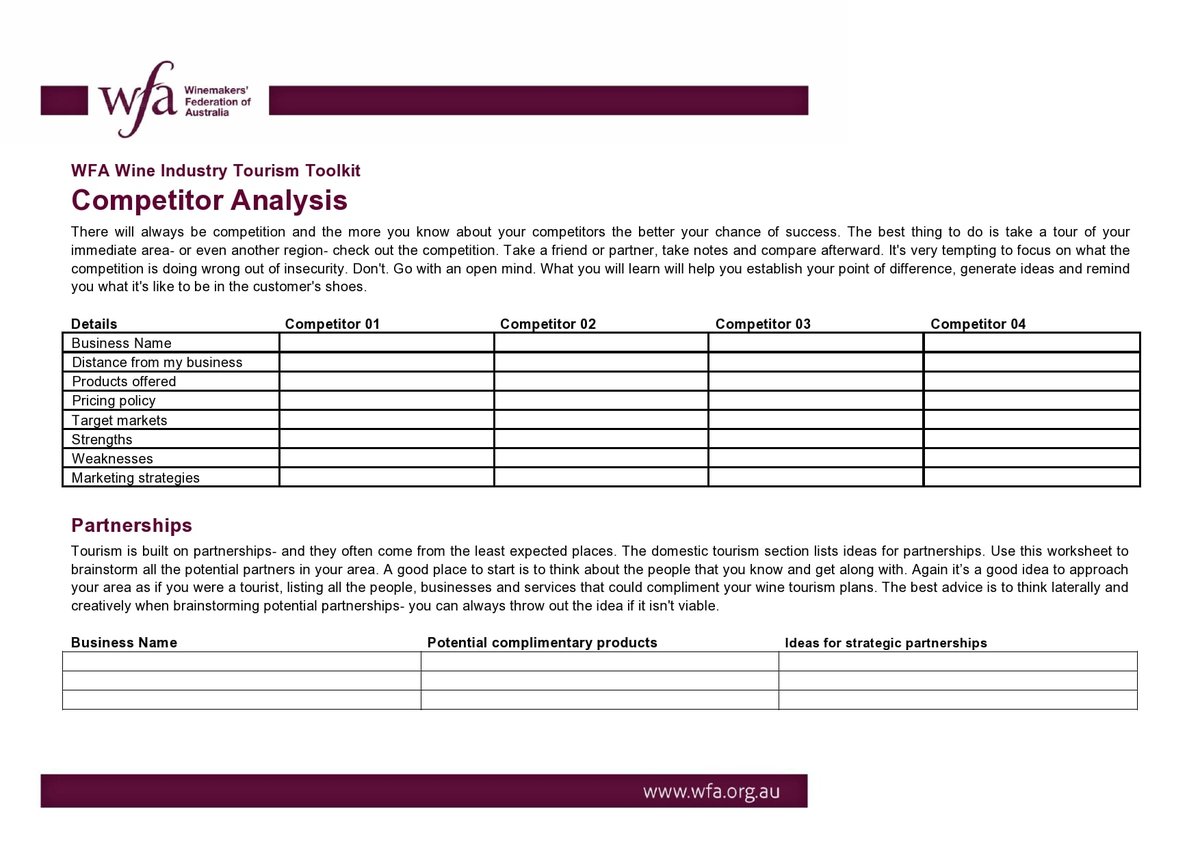
- Create a Centralized Document: Use a spreadsheet, a mind map, or a dedicated competitive analysis tool to organize all your findings. Create columns for each competitor and rows for each analysis point (e.g., brand voice, top keywords, content formats, distribution channels, strengths, weaknesses, gaps).
- Side-by-Side Comparison: This visual comparison will quickly highlight patterns, strengths, weaknesses, and most importantly, your unique opportunities. What are you doing better? What are they doing that you're missing?
Craft Your Strategy – The Actionable Steps: - Fill the Gaps: This is often your quickest win. Prioritize creating high-quality, in-depth content for the keywords, subtopics, or buyer's journey stages your competitors have overlooked. This positions you as the go-to resource.
- Improve on Existing Content: Identify areas where you can create superior content. Can you make a topic more comprehensive, easier to understand, more visually appealing, or more actionable than your competitors have?
- Expand Distribution: Based on their successful channels, identify new avenues to promote your content. Could you repurpose existing content into new formats for different social platforms? Could you explore influencer partnerships?
- Adjust Your Production Schedule: If competitors are consistently publishing news-related content, consider your own approach to timely topics. If they're focusing on evergreen, ensure your strategy includes long-term value pieces.
- Refine Your Brand Voice & Messaging: Your analysis might reveal opportunities to differentiate your brand voice or refine your messaging to better resonate with your target audience, especially if your competitors have a generic or confusing approach.
- Monitor & Adapt: Competitor content analysis isn't a one-time task. The digital landscape is dynamic. Schedule regular check-ins (quarterly or semi-annually) to monitor your rivals' evolving strategies and adapt your own accordingly. This continuous monitoring, combined with a willingness to explore list generation potential for new content formats and distribution avenues, keeps your brand agile and ahead of the curve.
Common Hurdles & How to Clear Them
Even the best intentions can hit snags. Be aware of these common pitfalls:
- Falling into the Copycat Trap: The goal is insight, not imitation. Simply copying a competitor's content or strategy rarely leads to long-term success. You must add your unique perspective, expertise, and value proposition.
- Analysis Paralysis: Don't get bogged down in endless data. Set a timeframe for analysis and focus on identifying the most actionable insights first. It's better to act on 3 key findings than to spend months analyzing everything without taking a single step.
- Ignoring Your Own Strengths: While competitor analysis highlights their strengths, don't forget yours. Use your unique selling points, niche expertise, and brand story to differentiate your content.
- Overwhelming Yourself: Start small. Focus on a few top competitors and a handful of their best-performing content pieces initially. You can always expand your scope later.
Your Content Advantage Starts Now
An in-depth competitor content analysis isn't just a marketing exercise; it's a strategic imperative. It shifts your content creation from guesswork to data-driven precision, transforming your efforts from "hopeful" to "highly effective."
By systematically understanding your rivals' content ecosystem, you gain the foresight to anticipate trends, the wisdom to avoid their mistakes, and the clarity to identify unique opportunities that will propel your brand forward. Stop guessing and start strategizing. Your journey to content dominance begins with understanding the competition.